Best AI Talking Photo Generators For Real Estate Virtual Tours (2026)
What brand strategists and content managers should compare before choosing a ai talking photo generators solution for real estate virtual tours.


This playbook helps brand strategists and content managers compare the best ai talking photo generators options for real estate virtual tours. It breaks down where heygen, synthesia stand out, when alternatives such as canva, adobe-express make more sense, and which setup fits B2B companies and B2C brands and solo operators and small businesses.
If you need the short answer, HeyGen is the strongest overall pick for most real estate marketing teams because it balances ease of use, realistic talking-photo output, custom avatar options, and fast turnaround. Synthesia is the better fit for larger teams that care more about governance, template consistency, and stakeholder-friendly workflows than pure visual flexibility. D-ID is the most natural choice when your workflow starts with a still photo and you want fast speaking portraits, while Colossyan and Elai are better fits for training-style explainers, internal enablement, or lower-cost production.
📋 Get Listed / Advertise
We update this guide monthly. Want your tool featured? Contact: aigrowthhacksofficial@gmail.com.
Table of Contents
Best Tools for Real Estate Virtual Tours (Quick Comparison)
| Tool | Best for | Main strength | Main tradeoff |
|---|---|---|---|
| HeyGen | Most teams that want polished listing videos fast | Best balance of realism, speed, and branded output | Can become expensive as video volume grows |
| Synthesia | Brokerages, franchises, and structured content teams | Strong governance, templates, and team workflow | Feels less flexible for quick creative experiments |
| D-ID | Photo-first speaking portraits and lightweight explainers | Very fast talking-photo workflow from a single image | Better for presenter overlays than full story-led tours |
| Colossyan | Internal teams, training-heavy orgs, agencies with repeatable workflows | Strong for structured scripts, conversations, and reusable formats | Not the first choice when you want the most cinematic real-estate feel |
| Elai | Budget-conscious teams and simple narrated property videos | Broad feature set at approachable entry pricing | Output and workflow polish can need more manual review |
Best Tools for Real Estate Virtual Tours (Quick Comparison)
What makes a talking photo generator good for real estate virtual tours?
Real estate is a specific use case. You are not just making a generic AI avatar video. You are presenting a physical space, trying to build trust quickly, and helping a buyer understand the property before they ever schedule a visit.
That changes the buying criteria.
A strong tool for this use case should do five things well:
1. Keep the property visuals central
The home has to remain the hero. If the avatar dominates the frame or the interface makes it hard to position your presenter cleanly beside room photos, floor plans, maps, or feature callouts, the content starts feeling gimmicky.
2. Make scripts easy to repeat across listings
Most teams do not want to reinvent the wheel for every property. You want a reusable structure for intros, neighborhood highlights, room transitions, luxury features, and next-step CTAs.
3. Support branded output
Brokerages, agencies, and marketing teams need logo control, color consistency, caption styling, and enough layout control to make the video feel like part of the broader listing experience.
4. Handle localization and accessibility
Multilingual narration, captions, and clean voice options matter more than many teams expect, especially for luxury, relocation, and investor-facing properties.
5. Stay efficient at scale
A solo agent can tolerate a little manual cleanup. A brokerage publishing dozens of property assets each month usually cannot. The best platform is the one that still works after the pilot.
Tool #1: HeyGen
What it does
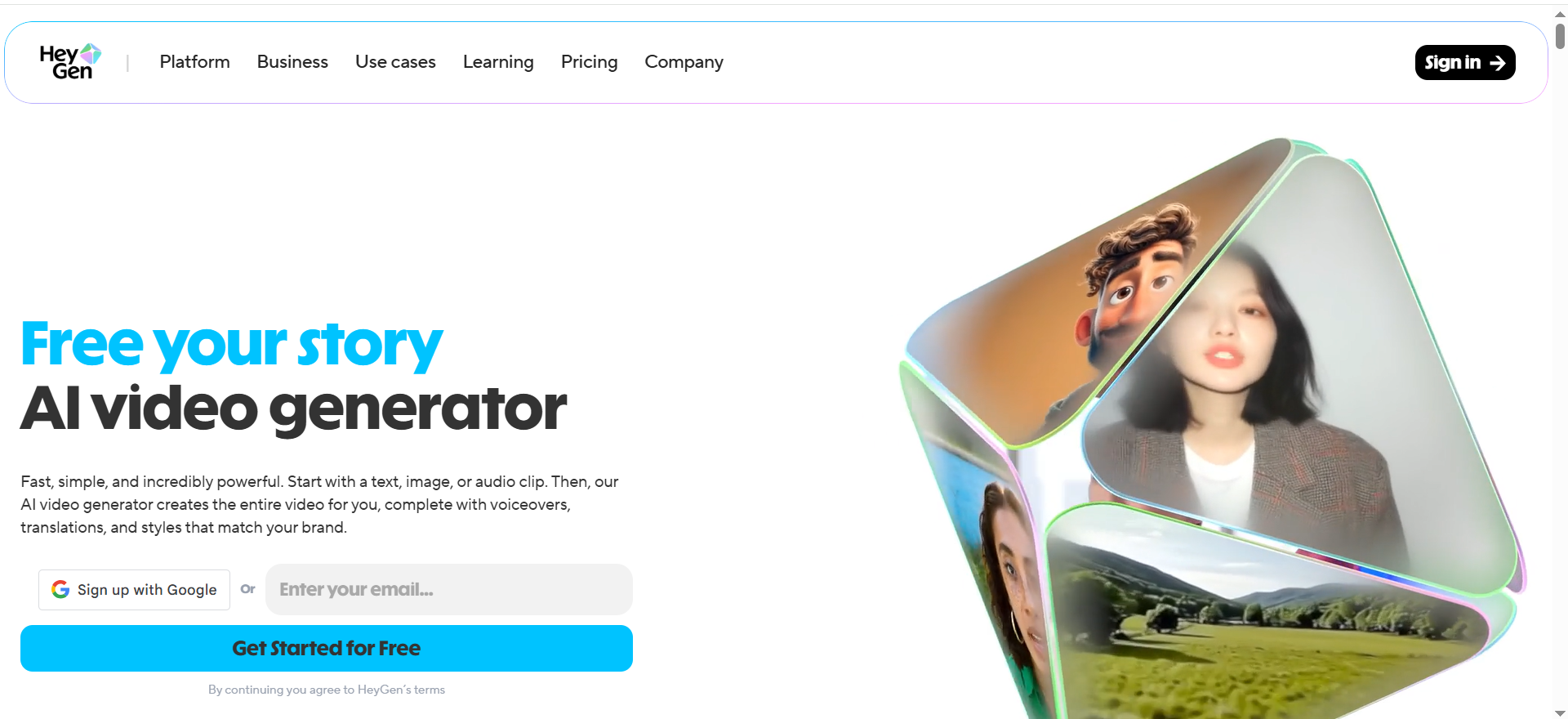
HeyGen turns scripts, audio, or images into presenter-led videos with AI avatars. For this article’s use case, the most relevant capability is its talking photo and photo-avatar workflow, which lets teams animate a still image into a speaking presenter and combine that presenter with branded visual scenes.
Why teams use it
HeyGen is the easiest recommendation for real estate teams because it sits in the sweet spot between simplicity and polish. You can move quickly, get realistic-enough output for marketing use, and build repeatable listing-video workflows without needing a production background.
What it’s good for
It is strongest for short listing intros, narrated property overviews, neighborhood explainer videos, agent-branded walkthrough summaries, and multilingual versions of the same base asset. It is especially useful when a team wants one tool that can handle both talking-photo experiments and more standard AI presenter videos.
When it’s a good fit
Choose HeyGen when speed matters, when you need a visually polished result without much setup, and when your team wants a practical path from static property assets to publishable video.
When it’s not a good fit
It is less ideal if your process requires formal governance, heavier enterprise approval layers, or a highly structured internal authoring environment. It is also not the right product if what you actually need is a true 3D walkthrough platform.
How to use it for a listing video
Start with your strongest hero image or agent headshot, then script a tight opening that frames the property in buyer language rather than feature dumping. From there, add scene blocks for exterior, kitchen, primary suite, outdoor space, and location benefits. End with one clear CTA, such as booking a private showing or viewing the full tour.
Key capabilities
HeyGen is attractive here because it offers talking-photo creation, custom digital twins, stock avatars, multilingual support, and a production flow designed for fast video assembly. That makes it a practical fit for marketing teams who want to create short-form listing content at volume.
Pricing
Pricing is friendly for testing, but the real cost question is volume. The tool is easy to justify when you are making a handful of polished videos each month. The economics need closer review if you plan to create high volumes across multiple agents or locations.
Free tier?
Yes. There is a free plan, which makes it easier to test a realistic pilot before committing.
Downsides / limitations
Its biggest risk is overuse of the avatar itself. Teams can get excited about the presenter and forget that the buyer mainly wants clarity about the property. The best HeyGen real estate videos keep the host supportive, not dominant.
Tool #2: Synthesia
What it does
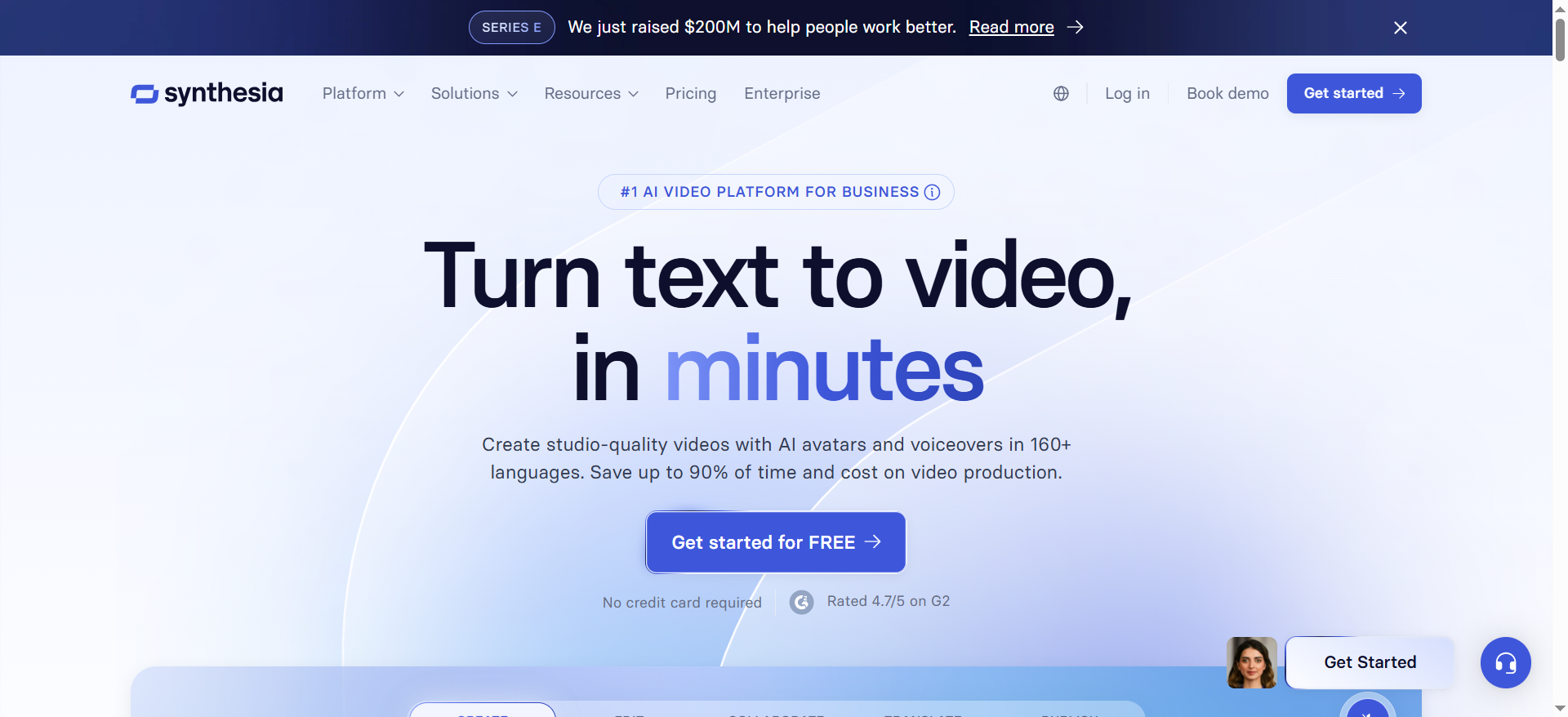
Synthesia is an AI video platform built around scripted avatar videos, templates, and scalable business workflows. While it is not the most “photo-first” product in this list, it is one of the strongest options for teams that need repeatability and clear stakeholder control.
Why teams use it
Large teams like Synthesia because the platform feels built for organized production. If you have multiple markets, many stakeholders, recurring formats, or a need to standardize listing-video quality across offices, it makes sense quickly.
What it’s good for
It works well for brokerage-wide property intros, agent onboarding content, listing explainer formats, market update videos, and any scenario where consistency matters as much as creativity.
When it’s a good fit
Pick Synthesia when your team wants to templatize the process. It is a strong fit for franchises, multi-office brokerages, internal content teams, and enterprise-style operations that want less improvisation and more control.
When it’s not a good fit
It is not the most natural option for highly cinematic or photo-led storytelling. If your main requirement is animating a single image into a compelling presenter as quickly as possible, D-ID or HeyGen will usually feel more direct.
How to use it for a listing video
Build a repeatable property video template with fixed scene sections: intro, property snapshot, standout rooms, neighborhood context, and CTA. Then swap in photos, script details, and agent branding for each listing.
Key capabilities
Synthesia’s value is less about novelty and more about operational maturity. It is the tool you choose when you want dependable templates, a broad avatar library, multilingual output, and a workflow non-creative stakeholders can actually follow.
Pricing
Synthesia generally makes more sense once the need for standardization is real. Teams buying it should evaluate the cost against the time saved from reusable templates and lower production inconsistency.
Free tier?
Yes. There is a free entry point for testing basic workflows.
Downsides / limitations
For real estate marketers, the main downside is that the platform can feel more structured than inspiring. That is not necessarily bad, but it does mean the winning use case is scalable communication, not the most personality-heavy property storytelling.
Tool #3: D-ID
What it does
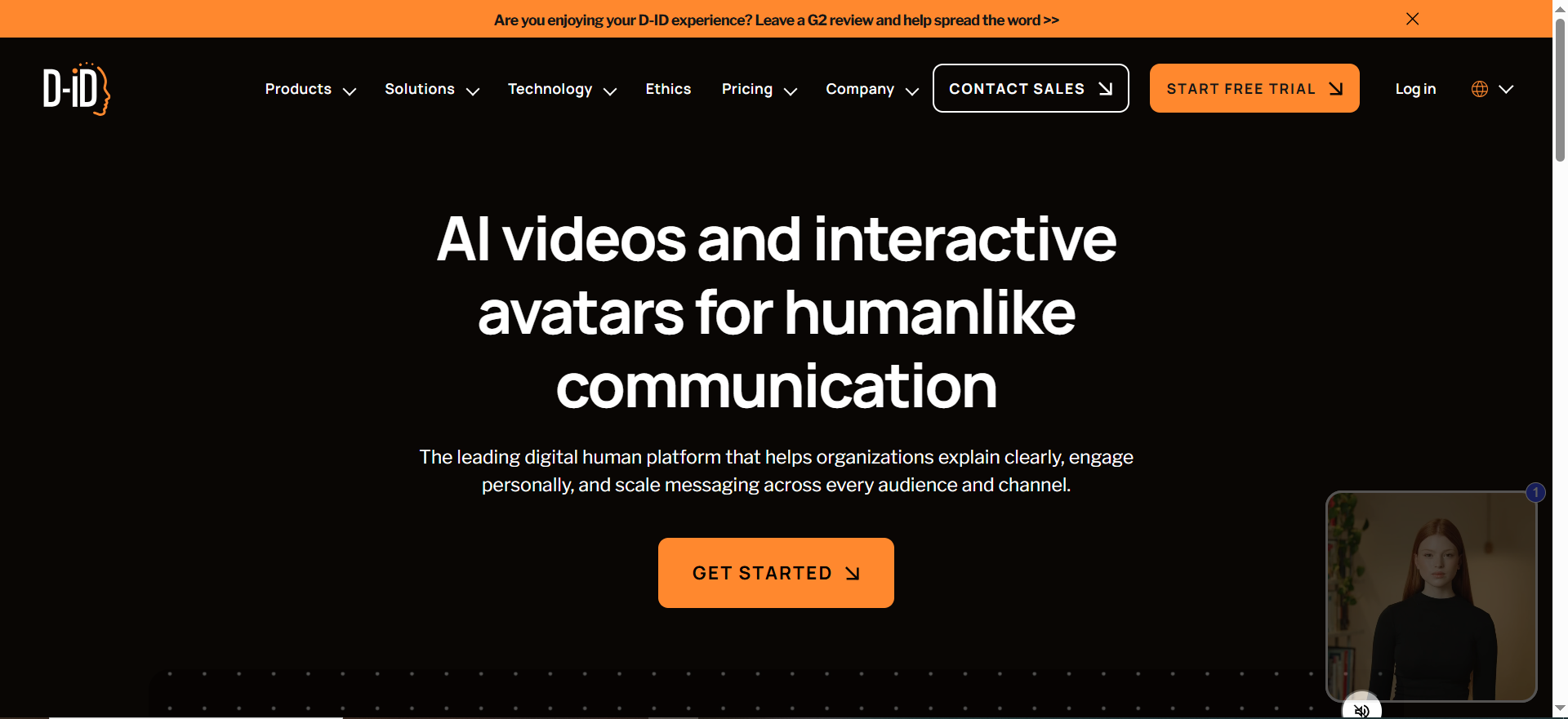
D-ID specializes in speaking portraits, image-based avatars, and fast AI presenter workflows. Out of the five tools in this article, it is one of the clearest matches for teams specifically searching for a “talking photo generator.”
Why teams use it
Its appeal is simple: you can take a still image and turn it into a talking visual quickly. That makes it useful for property introductions, agent welcome videos, listing snapshots, and short explainers layered into a broader tour experience.
What it’s good for
D-ID is strongest when you want a photo-driven host rather than a more fully staged presenter workflow. Think homepage property intros, “meet the listing” clips, investor explainers, or a narrated voiceover embedded beside listing media.
When it’s a good fit
It is a good fit when your team values speed, has limited editing resources, and wants to test talking-photo content without building a full video production stack.
When it’s not a good fit
It is less ideal if your team needs deep content templating, heavier collaboration, or broad enterprise workflow features. It can also feel narrower when compared with tools designed for end-to-end video creation.
How to use it for a listing video
Use D-ID for the presenter layer, then keep the video structure simple. A 20 to 45 second property introduction can perform well: opening hook, one or two differentiators, one credibility cue, one CTA. That is often enough to increase engagement without overwhelming the listing experience.
Key capabilities
D-ID stands out because image-based avatar creation is not an extra side feature. It is central to the product’s positioning, which makes it especially relevant for teams starting from still photos rather than polished presenter footage.
Pricing
The platform is easy to test for lightweight use cases, but teams should review output limits and production economics carefully if they intend to publish at scale.
Free tier?
It offers a way to start testing, though teams should confirm plan details against their expected production volume.
Downsides / limitations
The biggest limitation is scope. D-ID can solve the talking-photo part of the problem very well, but it does not automatically become your full real-estate content system. Many teams will still need separate workflows for editing, distribution, or true immersive tours.
Tool #4: Colossyan
What it does
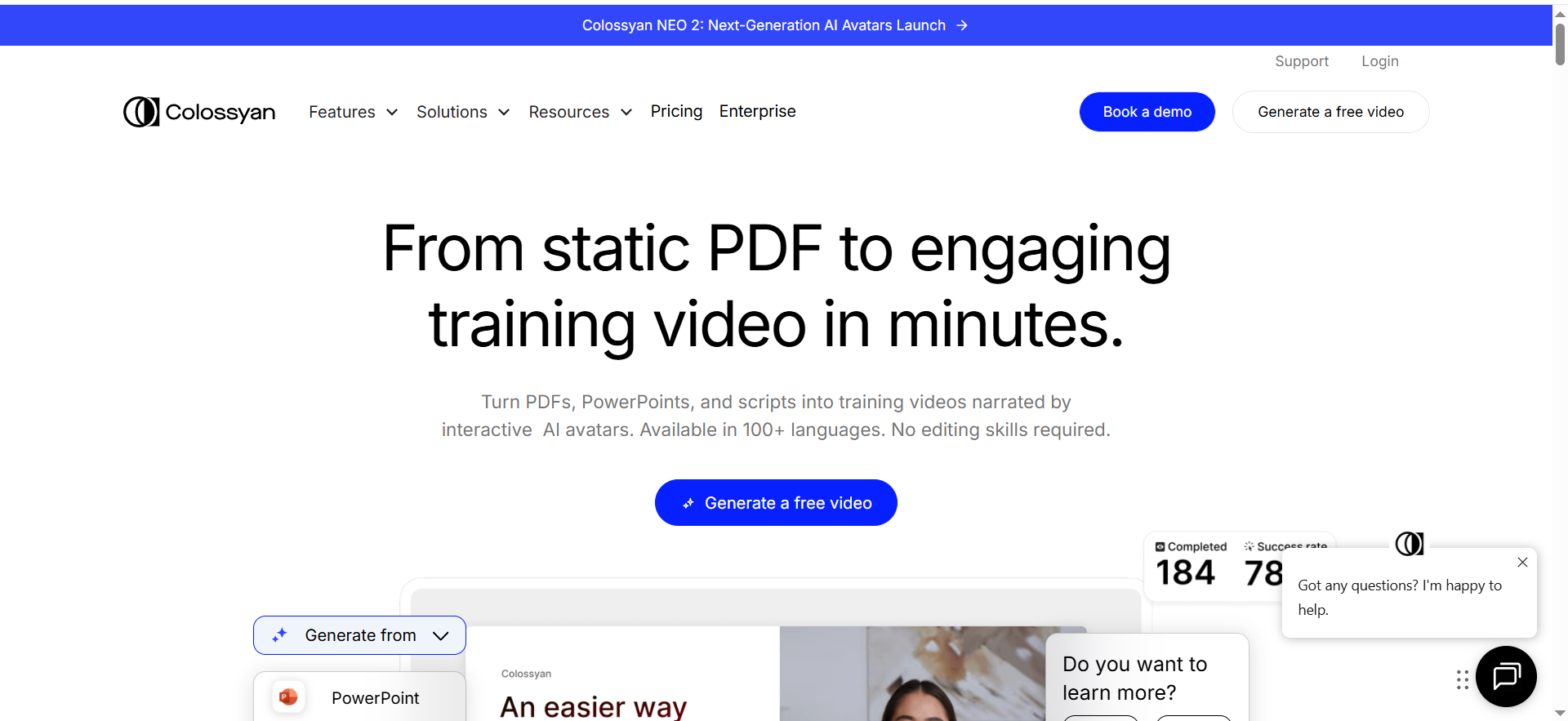
Colossyan is an AI video platform focused on presenter-led videos, structured authoring, and interactive or scenario-based content. It is often associated with training and business communication, but that does not make it irrelevant for real estate.
Why teams use it
The platform is useful when the buyer cares about structured communication and repeatability. Agencies, brokerages, and enablement teams can use it to create clean, reusable video formats without rebuilding every asset from scratch.
What it’s good for
It is especially good for agent onboarding, franchise standards, internal walkthrough explainers, buyer education videos, and listing support content where script structure matters more than visual experimentation.
When it’s a good fit
Use Colossyan when your real estate content operation is part marketing, part enablement. It works well for organizations that want one platform to support external explainers and internal operational content.
When it’s not a good fit
It is not the most obvious first pick when your only goal is to animate a property photo into the most visually compelling talking host possible. In that narrower case, D-ID or HeyGen are easier leads.
How to use it for a listing video
Think of Colossyan as a consistency engine. Create one branded framework for “new listing,” another for “luxury listing,” and another for “investment property,” then reuse the same structure across teams and markets.
Key capabilities
Its strengths show up in reusable business content, conversation-style scenes, and multi-scene workflows that help teams standardize video communication. That makes it better for organized content systems than one-off experimentation.
Pricing
Colossyan can be cost-effective when the team actually uses its structure and repeatability. The value is easier to justify in multi-user or recurring production environments than in occasional one-off listing videos.
Free tier?
Yes. There is a free way to test the product before scaling.
Downsides / limitations
Some real estate teams will feel that the platform leans more operational than promotional. That is fine if you want consistency. It is less exciting if your main priority is a high-end marketing feel out of the box.
Tool #5: Elai
What it does
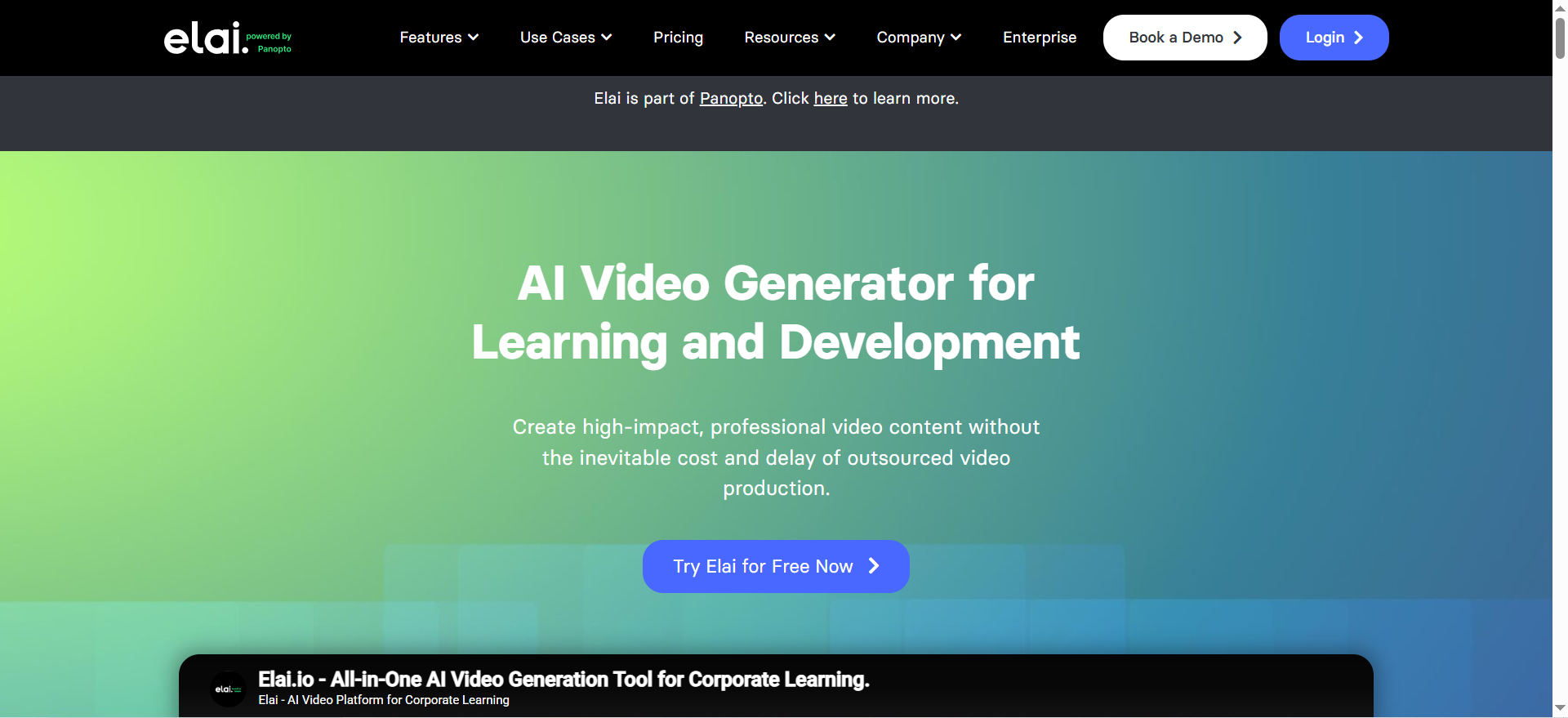
Elai is an AI avatar video platform that combines talking avatars, multilingual narration, presentation-style creation, and custom avatar options at relatively accessible entry pricing.
Why teams use it
It is appealing to smaller teams and budget-sensitive operators who still want a fairly wide feature set. For a team testing AI-driven listing content for the first time, that can be a practical starting point.
What it’s good for
Elai works well for narrated property summaries, explainer-style listing videos, internal sales enablement, market update content, and multilingual repurposing of the same base video.
When it’s a good fit
Choose Elai when you want broad functionality, lower entry cost, and enough flexibility to test different property-content formats without committing to a more expensive enterprise-style platform.
When it’s not a good fit
It is not the first recommendation for teams chasing the most polished visual experience right away. Some teams will need more manual quality control to get the final result where they want it.
How to use it for a listing video
Use simple, modular video sections. Start with the property hook, add the top three selling points, include neighborhood context, then end with a next step. Keep each section short so the asset stays tight and usable across web, email, and social.
Key capabilities
Elai’s broad language support, avatar options, and accessible pricing make it a useful test-bed platform for teams who care about experimentation and cost control.
Pricing
Its entry point is attractive for early testing, which is one reason it belongs in this shortlist.
Free tier?
Yes. There is a free plan for lightweight testing.
Downsides / limitations
The tradeoff is that lower-cost flexibility can come with more hands-on review. Teams that need premium polish with minimal intervention may outgrow it faster than they expect.
What is the best AI talking photo generator for real estate?
For most real estate teams, HeyGen is the best overall AI talking photo generator because it balances ease of use, realistic-looking output, multilingual support, and a workflow that is simple enough for recurring listing content. It is the most rounded option if your goal is to turn property visuals into polished narrated assets without building a heavy production process. For teams comparing photo-based avatar tools more broadly, best AI avatar generator from photo is the closest related playbook.
That said, the best tool depends on how your team works. D-ID is often the strongest match for pure photo-to-speaking-avatar use cases, Synthesia is better for structured teams that want consistency across many listings, Colossyan fits repeatable internal and agency workflows, and Elai is a practical option for teams that want to test the category at a lower starting cost. For a wider comparison of options and trade-offs, see best AI avatar generator.
Which AI avatar tool is best for listing videos?
For listing videos specifically, HeyGen is the strongest starting point because it lets teams create polished presenter-led videos quickly while keeping enough control over layout, voice, and branding to make the final asset feel marketable. It works well when the goal is to combine listing photos, short scenes, and clear narration into something a team can actually publish. For teams creating promotional property content across short-form channels, best AI avatar solutions for product explainer videos is a useful adjacent guide.
If your listing-video process is heavily standardized across many agents or offices, Synthesia deserves a serious look because its template-first workflow can reduce production inconsistency. If the listing video starts from a single image and a short script, D-ID may feel more direct. If you are also weighing structured team production against faster creative output, compare the best AI avatar creators on price and features can help narrow the shortlist.
Can AI talking photos be used in virtual tours?
Yes, but usually as a supporting layer rather than the core virtual-tour experience. AI talking photos are useful for adding a narrated property introduction, a guided explanation of standout rooms, a neighborhood summary, or a short host-led overview that sits beside the main tour.
In practice, they work best at the beginning or end of the experience, or as an embedded explainer on listing pages and landing pages. They add context and personality, but they do not create the immersive navigation that buyers expect from a true 3D or 360 tour.
What is the difference between an AI talking photo and a 3D virtual tour?
An AI talking photo animates a still image or avatar so it appears to speak. Its job is communication. It helps explain the property, summarize features, and make listing content more engaging.
A 3D virtual tour is about spatial exploration. It lets a buyer move through the property, understand room relationships, inspect layout flow, and get a stronger sense of the physical space. In simple terms, one is a storytelling layer and the other is an exploration layer.
That is why many real estate teams use them together rather than treating them as substitutes.
Which AI avatar software is best for agents and brokerages?
For individual agents, HeyGen is usually the best fit because it offers a straightforward workflow and publishable output without requiring much operational setup. Solo operators and lean marketing teams generally benefit most from tools that help them move fast.
For brokerages, the answer shifts a little. Synthesia is often better for organizations that need repeatable templates, approval structure, and consistent output across multiple offices or agents. Teams that need both marketing content and internal enablement content may also find Colossyan useful.
Which tool is easiest for beginners?
For most beginners, HeyGen and D-ID are the easiest tools to start with. HeyGen is easier when you want a broader video workflow with a polished finish, while D-ID is easier when your use case is very specifically about making a still image speak.
The right beginner tool depends on what you are trying to produce. If you want a fuller listing video with scenes and branding, start with HeyGen. If you want a fast test of a talking presenter from a photo, start with D-ID.
Which AI talking photo generator is best for multilingual property videos?
HeyGen and Synthesia are the strongest picks for multilingual property videos because they both support scalable language workflows and are well suited to repurposing one base asset into multiple versions. That matters for teams marketing to international buyers, relocation clients, or multilingual local audiences.
If the workflow is more photo-first and lightweight, D-ID can still be a useful option. Elai also deserves consideration for teams that care about multilingual output but want a lower entry point.
Which tool offers the best custom avatar workflow?
For most teams, HeyGen offers the strongest overall custom avatar workflow because it combines custom digital twin options with a production environment that is relatively easy to use. It is one of the better choices when the team wants a recognizable on-brand presenter appearing consistently across listing content.
If the priority is less about a polished marketing persona and more about structured content production, Synthesia can also make sense. The best custom-avatar workflow is the one that produces assets your team will actually reuse, not just the one with the most impressive demo.
Are there free AI talking photo generators for real estate?
Yes. Several tools in this category offer a free plan or free entry point, including HeyGen, Synthesia, Colossyan, and Elai, while others offer trial-style access depending on the plan and current product setup. That makes it possible to test a pilot before committing to a paid workflow.
The real question is not whether the platform is free, but whether the free version is enough to evaluate realistic output. A useful pilot should test brand fit, speed, and video quality, not just whether a clip can be generated.
Which AI avatar tool is best for branded real estate content?
For branded real estate content, HeyGen is usually the strongest option because it balances production speed with enough control over presenter style, layouts, captions, and overall output polish. It is a good fit for teams that want the video to feel like an extension of their listing brand rather than a generic AI clip.
For larger organizations that value standardized templates more than creative flexibility, Synthesia is a strong alternative. The better choice depends on whether your brand workflow is driven more by marketing creativity or operational consistency.
Which platform is best for enterprise real estate teams?
For enterprise real estate teams, Synthesia is usually the best fit because it is better aligned with structured workflows, stakeholder review, and standardized production across many users. Multi-office brokerages, franchise groups, and larger content teams often care as much about process control as they do about the final video itself.
Colossyan can also be relevant for organizations where content operations overlap with enablement, internal communications, and training. For enterprise buyers, governance and repeatability usually matter more than novelty.
How do you create a property walkthrough from photos with AI?
Start with a tight set of listing photos that tell a logical story: exterior, entry, living space, kitchen, primary bedroom, bathroom, outdoor area, and any major selling point. Then write a short script that follows the same order and focuses on buyer-relevant value rather than just listing features.
From there, upload the photos into a tool like HeyGen, D-ID, Synthesia, Colossyan, or Elai, add the narration or script, and arrange the scenes into a 30 to 90 second walkthrough. Add captions, a logo, and a final CTA. The best walkthroughs stay concise and guide the viewer through the property instead of overwhelming them.
Can AI talking photo tools replace Matterport or 360 tours?
No, not in most real estate workflows. AI talking photo tools are helpful for explanation, narration, and conversion support, but they do not replace immersive property exploration. Buyers still use tools like Matterport and other 360 tour platforms to understand layout, flow, and space.
The better way to think about these tools is that they complement virtual tours. One helps tell the story. The other helps the buyer explore the property.
What should you test before buying an AI avatar generator?
Test the tool with one real property workflow from start to finish. Use actual listing images, a real script, your brand treatment, and the same approval process your team would use for a live asset. That gives you a much clearer buying signal than a synthetic demo.
At minimum, score each tool on output quality, ease of editing, branding control, speed to publish, multilingual options, and how easy it is to repeat the workflow for the next listing. The most useful metric is not cost per generated minute. It is cost per usable video.
Which AI video tool is best for agencies producing listing content at scale?
For agencies producing listing content at scale, Synthesia and Colossyan are often the best fits because they support more structured, repeatable production systems. Agencies usually need templates, predictable workflows, and easier collaboration more than they need novelty.
That said, HeyGen can still be the better option for agencies focused on highly marketable front-end deliverables and faster creative turnaround. The best choice depends on whether the agency’s bottleneck is content operations or content polish.
How much do AI talking photo generators cost?
Costs vary a lot depending on video volume, export limits, avatar type, collaboration needs, and whether the team needs custom avatars or enterprise controls. In practice, the pricing question should be framed around the number of publishable assets you need each month, not just entry-plan cost.
For lean teams, lower-tier plans may be enough to validate the workflow. For brokerages, agencies, and franchise teams producing content at scale, the real cost often comes from usage growth, additional seats, and the amount of manual cleanup required after generation.
Which tool is best for which type of real estate team?
Best overall for most teams: HeyGen
If you want the safest blend of quality, speed, and usability, start here.
Best for larger brokerages and franchises: Synthesia
If consistency, templates, and controlled workflows matter most, Synthesia is the stronger fit.
Best for photo-first talking presenters: D-ID
If your workflow begins with still images and you want an AI host layered onto listing content quickly, D-ID is the clearest category match.
Best for structured multi-team operations: Colossyan
If video creation is part of a broader enablement system, Colossyan deserves a serious look.
Best for budget-sensitive experimentation: Elai
If you want to test the category without overcommitting on price, Elai is a sensible entry point.
📋 Get Listed / Advertise
We update this guide monthly. Want your tool featured? Contact: aigrowthhacksofficial@gmail.com.
Talking photo generators vs true virtual tour software
This is the distinction that should shape the article’s buying logic.
AI talking photo generators help you present a property. They turn a still image or avatar into a speaking host, create narrated property summaries, and add human-like delivery to listing content. They are useful for top-of-funnel engagement, social clips, property intros, and multilingual explanation.
True virtual tour platforms do something different. They create an immersive representation of the physical space, often through 360 capture or a dimensionally accurate 3D model. If your buyer wants room-by-room navigation, spatial exploration, dollhouse views, floor-plan fidelity, or a digital twin, they need virtual tour software in addition to, or instead of, an avatar platform.
That is why the highest-performing teams often combine both:
- a virtual tour platform for exploration
- an AI talking-photo or avatar tool for narration and conversion support
For many real estate marketers, that combined stack is more useful than trying to force one tool to do everything.
Final verdict
The best AI talking photo generator for real estate virtual tours is usually HeyGen for most teams, Synthesia for more structured organizations, and D-ID for the most direct talking-photo use case.
If your goal is to turn property images into a polished, narrated video that helps buyers understand the listing faster, any of these tools can work. The better question is which one matches your operating model.
Pick HeyGen if you want the best all-around balance. Pick Synthesia if standardization matters most. Pick D-ID if your workflow is heavily photo-led. Pick Colossyan if real estate content is part of a larger enablement engine. Pick Elai if you want a broader feature set at a friendlier starting price.
The common thread is this: choose the platform that your team can actually use every week, not the one that looks best in a demo.
📋 Get Listed / Advertise
We update this guide monthly. Want your tool featured? Contact: aigrowthhacksofficial@gmail.com.
FAQs
An AI talking photo generator animates a still image so it appears to speak using text or recorded audio. In real estate, it is commonly used for listing intros, property summaries, agent-branded explainers, and social clips.
Not usually. They help explain and present a property, but they do not replace true 360 or 3D exploration. For immersive navigation, you still need virtual-tour software.
For most beginners, HeyGen and D-ID are the easiest places to start because they are direct, fast, and relatively simple to test. The better option depends on whether you want a broader video workflow or a more photo-first experience.
Synthesia, HeyGen, D-ID, Colossyan, and Elai all support multilingual use cases, but the best option depends on whether your priority is operational consistency, direct talking-photo creation, or budget control.
Yes. Several tools in this category offer free plans or free entry points, which makes it possible to test the workflow before upgrading.
Test one real listing workflow from start to finish. Measure output quality, revision rounds, speed, branding control, and how easily your team can repeat the process for the next property.