Best AI Avatar Solutions For UGC Product Ads (2026)
What content managers and growth marketers should compare before choosing a ai avatar solutions solution for ugc product ads.

This playbook helps content managers and growth marketers compare the best ai avatar solutions options for ugc product ads. It breaks down where heygen, synthesia stand out, when alternatives such as runway, veed make more sense, and which setup fits B2B companies and B2C brands and solo operators and small businesses.
If you want the fastest answer, HeyGen is the best overall AI avatar tool for UGC product ads, especially when your goal is to produce social-style ad creatives quickly with decent realism, broad avatar choice, voice cloning, and built-in video translation. Synthesia is the better fit when your team needs more structured workflows, stronger business controls, and multilingual production at scale. D-ID stands out when you want custom spokesperson-style avatars and more personalized talking-head outputs. Colossyan is better for teams that want more structured scripted video creation, while Elai is a practical option for marketers who want a simpler, lower-friction starting point. Tool feature and pricing claims below are based on current official product pages as of April 15, 2026.
📋 Get Listed / Advertise
We update this guide monthly. Want your tool featured? Contact: aigrowthhacksofficial@gmail.com.
Table of Contents
Best AI Avatar Solutions for UGC Product Ads
| Tool | Best for | Biggest strength | Main trade-off |
|---|---|---|---|
| HeyGen | Fast UGC-style ad creation | Large avatar library, voice cloning, translation, creator-friendly workflow | Less structured than enterprise-first platforms |
| Synthesia | Brand-safe, multilingual ad production | 160+ languages, mature workspace, strong business usability | Can feel more corporate than social-native |
| D-ID | Custom talking-head avatars | Personalized avatars and flexible presenter-style video | Less naturally optimized for ad-style editing |
| Colossyan | Scripted product explainers and team workflows | 200 to 300+ stock avatars and strong structured creator workflow | Feels more explainer-first than ad-first |
| Elai | Budget-conscious multilingual video creation | Free entry, 80+ avatars, 75+ languages | Avatar realism and ad-native feel can lag the leaders |
Best AI Avatar Solutions for UGC Product Ads
📋 Get Listed / Advertise
We update this guide monthly. Want your tool featured? Contact: aigrowthhacksofficial@gmail.com.
Tool #1: HeyGen
What it does
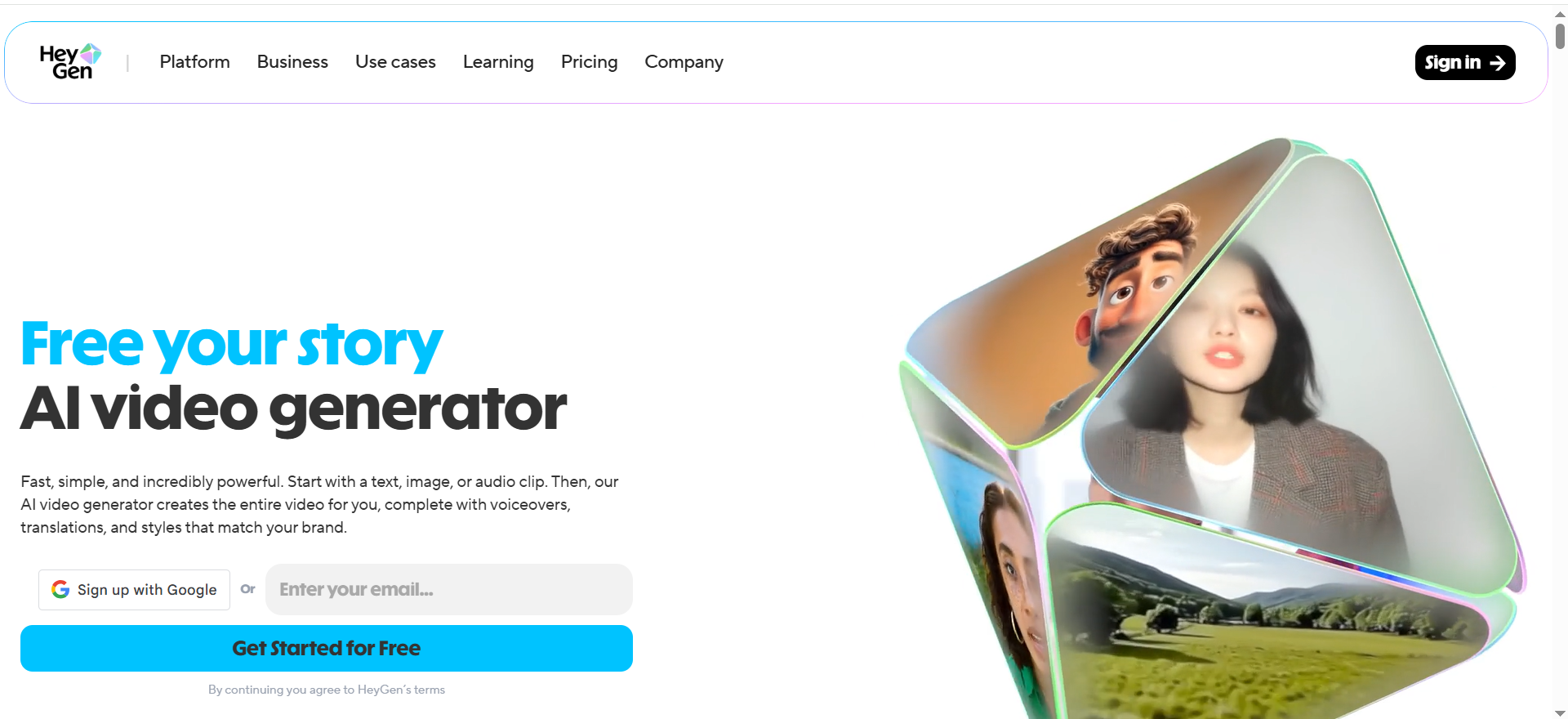
HeyGen is an AI video platform built around avatars, AI voices, translation, and fast video generation. For this use case, its biggest advantage is that it already leans into UGC-style workflows and explicitly positions itself for AI-powered UGC video ad creation. Its pricing page also shows a free tier, a Creator plan at $29/month, and a large stock avatar library, along with voice cloning and translation tools.
Why teams use it
Most teams choose HeyGen when they need to move fast. It is strong for producing multiple ad variations without setting up a heavy production process. For growth marketers, that matters more than having the most elaborate studio controls. When you are testing hooks, offers, intros, and localized versions across paid social, speed usually wins.
What it’s good for
HeyGen is best for:
- UGC-style paid social ads
- product demo snippets
- creator-style landing page videos
- multilingual ad testing
- quick iterations for Meta, TikTok, and short-form placements
It is especially useful for teams that want to fake the feel of creator content without booking a new creator for every angle.
When it’s a good fit
Choose HeyGen if your team needs:
- fast turnaround on ad creatives
- multiple avatar choices for different audience segments
- voice cloning or translation
- a workflow that one marketer can run without a video team
When it’s not a good fit
It is not the best option if your core need is deep enterprise governance, advanced collaborative review workflows, or highly formal internal video systems. It also may not be your best choice if your ad strategy relies heavily on highly stylized editing and raw creator footage rather than avatar-led delivery.
How to use it
A practical workflow looks like this:
- Write a direct-response script with a 2-second hook.
- Choose an avatar that fits your audience and platform.
- Add product visuals, social proof, captions, and supporting B-roll.
- Render 3 to 5 variants with different hooks and CTAs.
- Translate and localize winners into other markets.
This is where HeyGen performs well. It supports fast production loops, which is exactly what most paid social teams need.
Key capabilities
HeyGen’s official pricing and product materials highlight:
- free plan access
- 700+ stock video avatars on paid plans
- voice cloning
- video translation with lip sync
- 175+ languages and dialects
- custom digital twins on paid plans
- brand kit and watermark removal on Creator and above
Pricing
HeyGen lists:
- Free: $0/month
- Creator: $29/month
- Pro: $99/month
- Business: $149/month, with extra seats priced separately
Free tier?
Yes. The free tier includes 3 videos per month, up to 1 minute each, plus trial access to some premium features.
Downsides / limitations
The main weakness is that the best outputs still require good scripting and decent visual layering. If you just type a bland paragraph and hit render, the result can still feel synthetic. It is also easy to overuse the same avatar style, which can make ad fatigue happen faster.
Tool #2: Synthesia
What it does
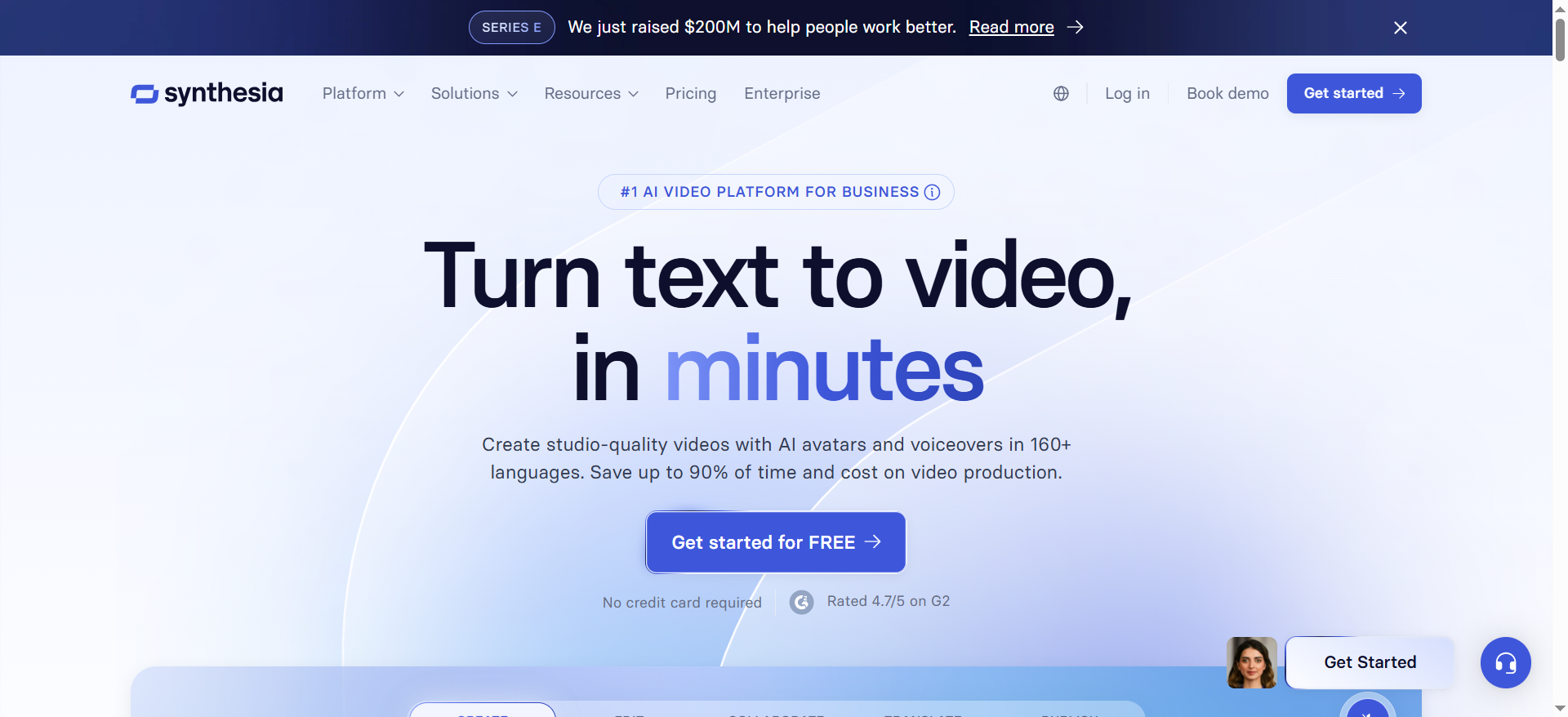
Synthesia is an AI video platform built for business video creation, multilingual outputs, and team-friendly production. Official materials say it supports 160+ languages, offers a free plan, and has pricing starting at $18/month, with higher-tier Creator plans positioned for regular production and collaboration.
Why teams use it
Teams use Synthesia when they want more structure, more control, and a more polished workspace. While it is often associated with training and internal communications, it is also useful for product marketing and localized explainers. For UGC product ads, the question is not whether it can create avatar videos. It can. The question is whether you want a more controlled business-video feel or a looser, more social-native feel.
What it’s good for
Synthesia is strongest for:
- multilingual ad and landing page videos
- product explainers with avatar presenters
- brand-safe video production
- teams that need a cleaner approval process
- campaigns where localization matters as much as creative speed
When it’s a good fit
Choose Synthesia if:
- your team is producing ads in multiple languages
- brand safety matters a lot
- several teammates need to collaborate
- you want more formalized video creation than a creator-style workflow
When it’s not a good fit
It is less ideal if your goal is to mimic raw, creator-shot TikTok energy as closely as possible. Synthesia can absolutely create ad videos, but its center of gravity still feels more polished and structured than chaotic, creator-native social content.
How to use it
A good workflow in Synthesia is:
- Build a script around problem, product, proof, and CTA.
- Choose an avatar and voice that match the market.
- Insert product screenshots, lifestyle visuals, or social proof as scene assets.
- Duplicate the video into multiple localized versions.
- Use the best-performing versions on landing pages, paid social, and retargeting.
Key capabilities
Synthesia’s official pages currently describe:
- free AI video access
- 160+ languages
- up to 240+ avatars on certain plans and pages
- live collaboration
- custom personal avatars on paid annual plans
- interactive and business-focused video workflows
Pricing
Synthesia’s current official pricing page shows:
- Basic: Free
- Starter: entry-level paid plan
- Creator: $89/month billed monthly, or lower on annual billing
- Enterprise: custom pricing
Because Synthesia’s pricing page is dynamic and some plan details change by billing mode and region, it is worth rechecking the live page before publishing a final pricing table.
Free tier?
Yes. Synthesia says its free plan includes up to 10 minutes of video per month and access to AI avatars and voices in 160+ languages.
Downsides / limitations
For UGC-style ad work, Synthesia can sometimes feel too polished. That is a strength for brand trust and clarity, but it can be a weakness if your goal is to blend into a feed full of native creator content.
Tool #3: D-ID
What it does
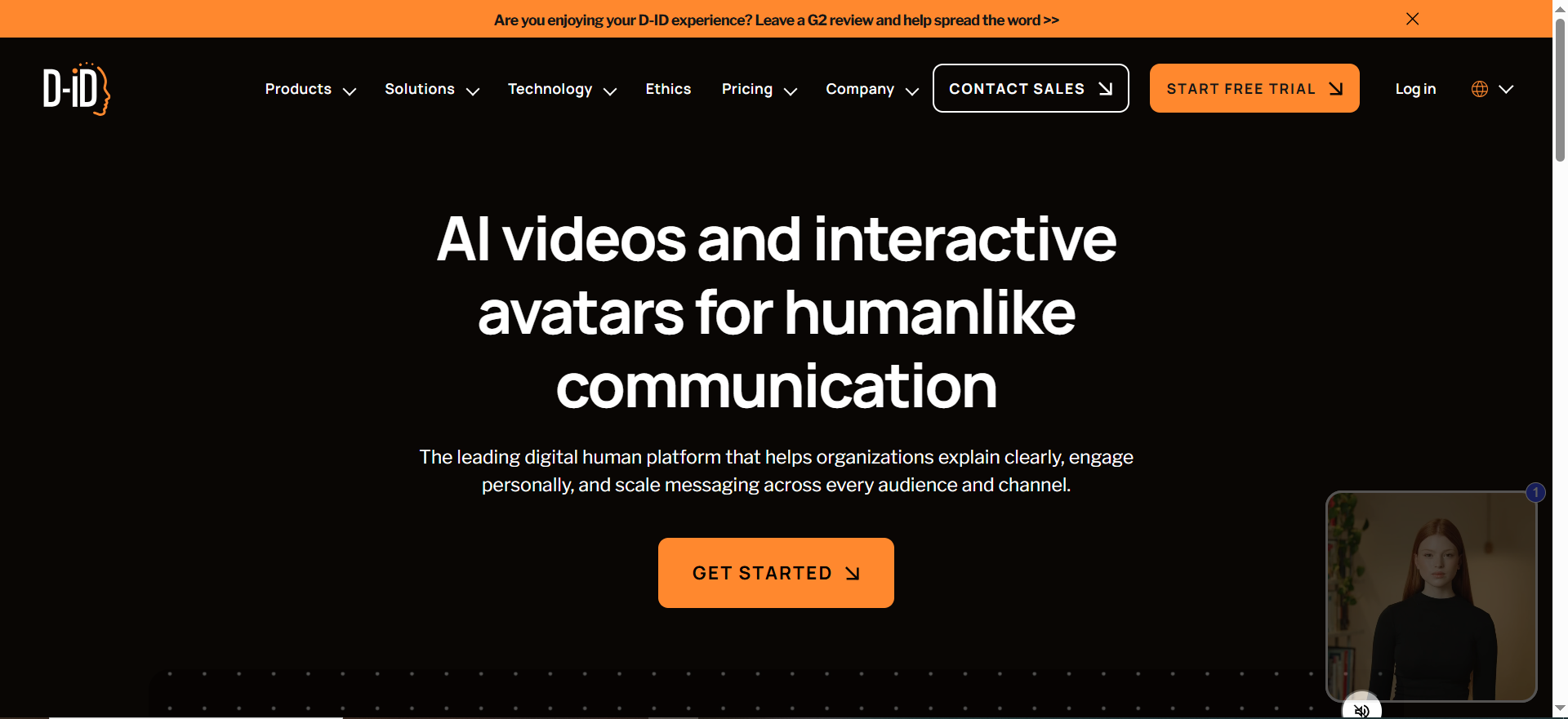
D-ID focuses on AI avatars, talking-head video, and personalized digital presenter experiences. Its avatar and pricing pages emphasize multiple avatar types, free entry access, and broader tiers for more advanced expressive avatars and business use cases. It also positions itself around marketing, customer experience, and communication use cases.
Why teams use it
D-ID is the best fit in this list when the ad concept depends on a specific face, a personalized spokesperson, or a custom digital presenter that feels closer to a branded representative than a stock creator avatar. This makes it useful for product education, founder-style ad creatives, or spokesperson-led campaigns.
What it’s good for
D-ID works well for:
- personalized spokesperson ads
- custom avatar-led product videos
- talking-head style explainers
- campaigns that need a more direct presenter presence
- brands testing founder-led or representative-led creative without constant filming
When it’s a good fit
Use D-ID when:
- the presenter identity matters
- you want to build around a custom avatar
- your workflow is closer to talking-head communication than flashy social editing
- you need avatar-led personalization
When it’s not a good fit
It is less ideal when your team wants a broad stock avatar library and an all-in-one ad production workflow optimized for fast creative testing. It also may need more external editing support to fully match the pace of paid social creative iteration.
How to use it
A practical D-ID workflow:
- Decide whether the ad should use a custom spokesperson or stock avatar.
- Build a short script focused on one claim or benefit.
- Render the talking-head delivery.
- Add captions, demo clips, and proof elements externally if needed.
- Use the finished asset for retargeting, landing pages, or narrower persona-specific campaigns.
Key capabilities
D-ID currently highlights:
- AI avatars and talking-head video creation
- multiple avatar categories including higher-end expressive options
- free trial access
- marketing, sales, and customer experience use cases
- pricing that varies by avatar type and plan level
Pricing
D-ID’s Studio pricing page currently surfaces:
- Trial: $0
- Lite: around $4.70
- Pro: around $16
- Advanced: around $108with plan details varying by product and usage.
Free tier?
Yes, there is a free trial entry point.
Downsides / limitations
D-ID is powerful, but for pure UGC ad production it can feel a bit less turnkey than HeyGen. The biggest issue is workflow fit. If your team wants a fast ad machine for testing lots of variations, D-ID may require more manual handling around editing, packaging, and creative iteration.
Tool #4: Colossyan
What it does
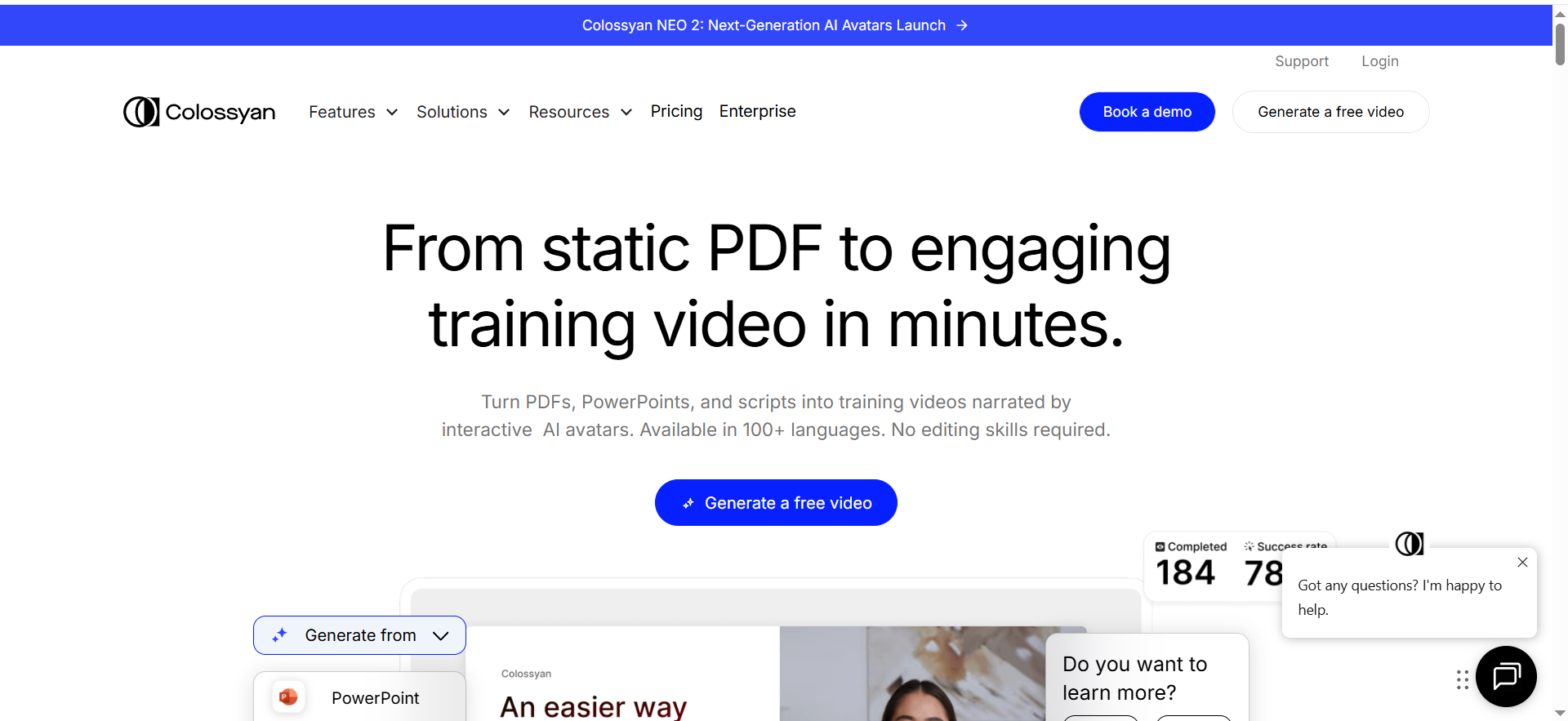
Colossyan is an AI video platform known for stock avatars, custom avatars, multilingual support, and more structured video creation. Its official pages state that it offers 200+ stock avatars on one page and 300+ AI presenters on another, each supporting 100+ languages depending on context and page version. Its pricing page also advertises a free option and tiered paid plans.
Why teams use it
Colossyan appeals to teams that want something more structured than creator-style tools but less rigid than traditional corporate video production. It is especially good when UGC-style product ads sit next to onboarding, explainer, or educational content in the same workflow.
What it’s good for
Colossyan is best for:
- scripted product explainers
- multilingual presenter videos
- teams that want reusable workflows
- agencies or internal teams producing repeatable video formats
- campaigns where consistency matters more than raw creator spontaneity
When it’s a good fit
Choose Colossyan if:
- you want predictable scripted outputs
- multiple people may touch the same workflow
- your campaigns blend ads with product education
- you want stock and custom avatar options in one environment
When it’s not a good fit
It is less ideal if your main goal is to create ads that feel messy, native, and creator-shot. It is better for controlled delivery than rough-cut authenticity.
How to use it
A strong Colossyan workflow is:
- Start with a script template for benefit, proof, objection handling, and CTA.
- Choose an avatar by audience segment or market.
- Build multiple scene versions with product screenshots and callouts.
- Translate winning variants.
- Push polished outputs into ad testing or onboarding-style product education.
Key capabilities
Colossyan’s official materials highlight:
- free access or trial entry
- 200+ to 300+ stock avatars depending on page
- support for 100+ languages on stock presenters
- custom avatars from user recordings
- structured creator workflows for repeatable video production
Pricing
Colossyan’s pricing page shows tiered plans including free access and paid plans, with external page snippets indicating a Starter plan from $19/month on annual billing. Because the full parsed pricing table is hard to read in the page output, it is smart to recheck the live pricing page before publishing exact numbers in a comparison box.
Free tier?
Yes. Colossyan promotes a free option and free trial access.
Downsides / limitations
For pure direct-response UGC ads, Colossyan may feel a bit too structured. It works better when your team values repeatability, internal consistency, and a broader scripted video workflow.
Tool #5: Elai
What it does
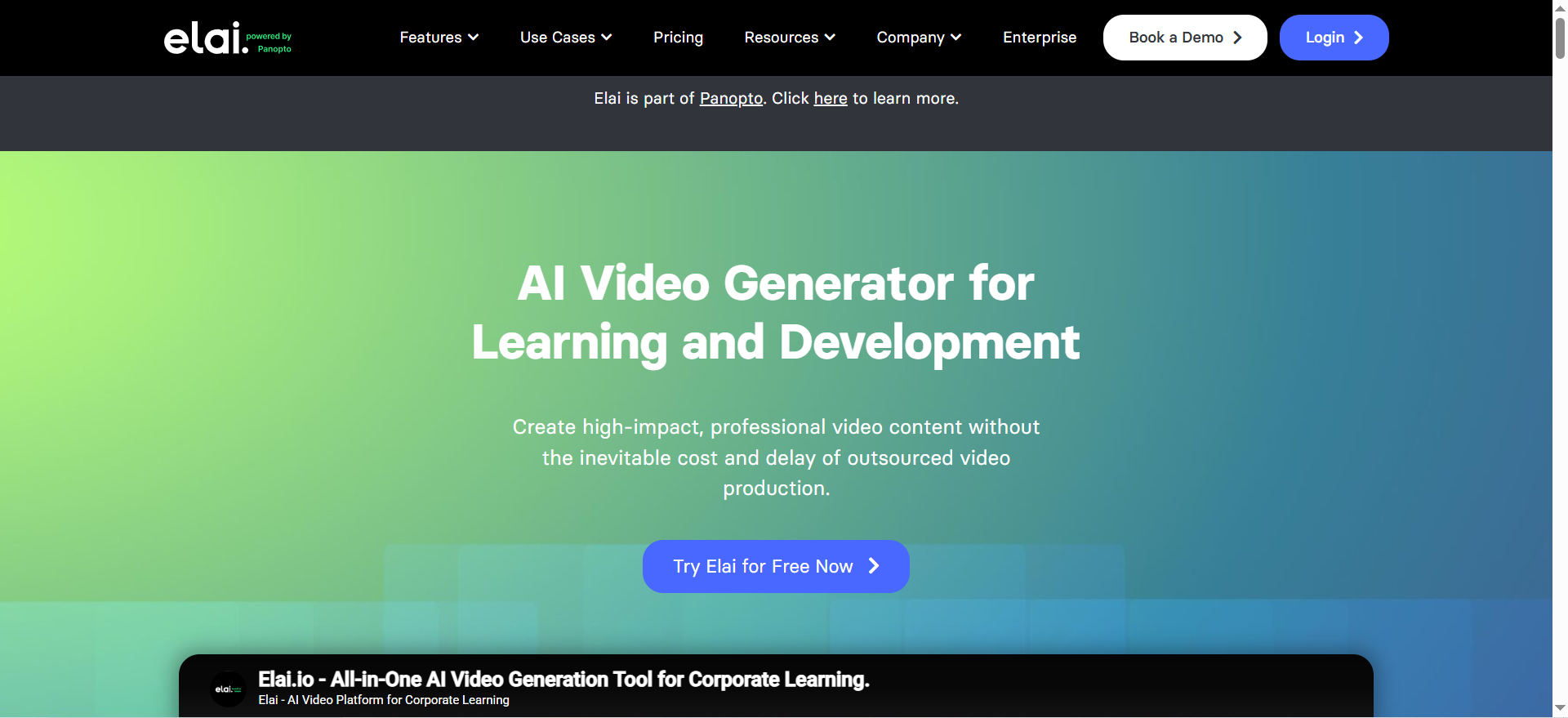
Elai is an AI video and avatar platform that offers stock avatars, multilingual video creation, custom avatars, and browser-based production. Its official pages say it has 80+ avatars, 75+ languages, a free plan, and paid tiers starting from a low-cost entry point.
Why teams use it
Elai is usually attractive to smaller teams, lean marketers, and companies that want AI avatar video without jumping immediately into a heavier or more expensive platform. It covers the core needs well enough for many product marketing and explainer-style use cases.
What it’s good for
Elai is useful for:
- basic product ads
- multilingual product explainers
- landing page videos
- entry-level avatar-led marketing
- teams testing whether AI avatar video belongs in their workflow at all
When it’s a good fit
Use Elai if:
- you want a low-friction place to start
- budget matters
- multilingual capability is important
- your use case is closer to clear explanation than highly polished social-native UGC
When it’s not a good fit
It is not the strongest pick if avatar realism and UGC-style social-native output are your highest priorities. It also trails the top two when it comes to market momentum and ad-specific mindshare.
How to use it
The simplest Elai workflow:
- Write a very short ad script or demo narration.
- Choose a presenter avatar and voice.
- Add supporting product visuals.
- Export short variants by audience or offer.
- Use it first for landing pages, retargeting, or top-of-funnel product education.
Key capabilities
Elai currently advertises:
- 80+ avatars
- 75+ languages on pricing pages
- 450+ accents on its homepage
- custom avatars
- text-to-video and presentation-to-video workflows
- free plan availability
Pricing
Elai’s pricing page currently shows:
- Free: $0
- paid plans above that, with Creator-level access promoted on the pricing page and savings on annual billing
Free tier?
Yes. Elai’s free plan includes 1 minute, 1 user, 80+ avatars, and 75+ languages according to the current pricing page.
Downsides / limitations
Elai is practical, but it does not lead this category on avatar realism or UGC ad-native feel. It is more of a useful generalist than a category leader for aggressive paid social creative testing.
📋 Get Listed / Advertise
We update this guide monthly. Want your tool featured? Contact: aigrowthhacksofficial@gmail.com.
How to choose the right AI avatar tool for UGC product ads
If you care most about ad realism
Pick HeyGen first. It is the closest fit for marketers trying to produce creator-style ads at speed without building a heavy workflow. Its UGC-specific positioning, broad avatar library, and translation features make it the most natural fit for this exact topic.
If you care most about localization
Pick Synthesia. The combination of free access, 160+ languages, and a more structured workspace makes it especially attractive for teams producing the same core ad in many markets.
If you need custom spokesperson avatars
Pick D-ID. It is strongest when the ad depends on a branded face, representative, or more customized presenter workflow.
If you need structured team workflows
Pick Colossyan. It is a better fit when the workflow needs repeatability, structured scripting, and crossover between ads, explainers, and internal marketing assets.
If you need a lower-cost starting point
Pick Elai. It is a good test bed for teams that want to experiment with avatar-led product content before committing to a more mature platform.
What makes a strong AI avatar ad feel like real UGC
Hook
The first 1 to 3 seconds matter more than everything else. The ad needs a problem-first or curiosity-first opening that sounds like something a real person would say on camera, not a landing page headline.
Script pattern
The easiest winning structure is:
- problem
- failed old way
- product introduction
- specific benefit
- proof
- CTA
Do not over-script it. UGC-style ads should sound direct, a little conversational, and easy to say out loud.
Avatar and voice choice
A weak fit between avatar, voice, and product audience kills performance. For beauty, wellness, SaaS, and ecommerce, the “best” avatar is usually not the most polished one. It is the one that feels believable for the market.
Visual proof
Even the best avatar cannot carry the whole ad. You still need:
- product shots
- screen recordings
- testimonial snippets
- before-and-after visuals
- on-screen captions
Editing and ad variation
The teams that get the most value from these tools do not stop at one version. They create several variants with different hooks, lengths, and proof elements. That is where AI avatar tools become useful as a creative testing engine rather than just a novelty.
Which AI avatar platform looks the most realistic?
If realism is the priority, HeyGen and Synthesia are the safest starting points. HeyGen is stronger for social-style ad creative, while Synthesia usually feels more polished and structured for business-facing videos. In practice, realism also depends on the script, voice choice, pacing, and how much product footage or proof you layer into the video. For teams comparing output quality in ad contexts, it also helps to review best AI avatars for realistic human gestures.
Can AI avatars be used for ecommerce product ads?
Yes. AI avatars work well for ecommerce ads when you need to explain benefits quickly, test multiple hooks, localize winning creatives, or produce more variations without booking new creators every time. They work best when paired with product visuals, captions, proof points, and platform-native editing. For a closer match to this use case, see best AI avatar makers for e-commerce.
Which AI video tool is best for TikTok and Meta ads?
HeyGen is the strongest fit for TikTok and Meta-style ad testing because it is more naturally suited to UGC-style workflows and fast iteration. If your team needs more control, collaboration, and multilingual consistency, Synthesia is the better alternative. For teams focused on short-form channels specifically, best AI avatar creators for TikTok and Instagram videos is the most relevant companion guide.
What is the best AI avatar tool for multilingual ads?
Synthesia is the strongest option for multilingual production because it supports 160+ languages and is built around structured, team-friendly video creation. HeyGen is also a strong choice when multilingual support needs to pair with ad-style creative and translation workflows. If multilingual campaign execution is the main priority, compare these options with best AI avatar services for multilingual marketing campaigns.
Can you create UGC-style videos without hiring creators?
Yes, that is one of the main reasons these tools are growing. You can create creator-style product videos without hiring a new person for every ad angle, although the best results usually still come from combining AI avatars with real product footage, customer proof, and strong direct-response scripting.
Which AI avatar platform is best for custom avatars?
D-ID is one of the better options when the goal is a custom spokesperson or personalized presenter. HeyGen also includes custom digital twin options, while Synthesia supports personal avatars on paid plans. The right pick depends on whether you want ad-style flexibility or a more presenter-led format.
What is the cheapest AI avatar solution for product marketing?
On pure entry price, several platforms now offer free access or trials, including HeyGen, Synthesia, D-ID, Colossyan, and Elai. For paid entry, Colossyan is commonly surfaced from around $19/month on annual billing, while HeyGen starts at $29/month for Creator and Synthesia’s Creator plan is much higher, so the cheapest real starting point depends on whether you need only basic testing or ongoing production.
Are AI avatar ads good for direct response campaigns?
They can be, especially for testing hooks, offers, objections, and localized variants at speed. They are most effective when the ad still feels native to the feed and includes clear proof, specific claims, and tight editing rather than relying only on the avatar talking to camera.
Which AI avatar tools have free plans?
At the moment, HeyGen has a free plan, Synthesia has a free Basic tier, D-ID offers a free trial, and Colossyan promotes free access on its pricing and avatar pages.
What is the difference between HeyGen and Synthesia for ads?
HeyGen is better for faster, more creator-style ad production and social-friendly UGC workflows. Synthesia is better for structured, multilingual, brand-safe video production where collaboration and consistency matter more than a creator-native feel. In simple terms, HeyGen is more ad-native, while Synthesia is more workflow-native.
Is D-ID better for custom spokesperson content?
Yes, that is one of its stronger use cases. D-ID is a better fit when the video concept centers on a specific presenter identity, a custom avatar, or a personalized spokesperson-style format rather than broad stock-avatar ad testing.
Which AI avatar tool is best for agencies?
For agencies running lots of ad iterations across clients, HeyGen is usually the strongest fit because of speed and creative flexibility. For agencies doing structured multilingual production or more formal client workflows, Synthesia or Colossyan may be a better operational fit.
Which AI avatar platform is easiest for beginners?
HeyGen and Elai are both approachable for beginners because they are relatively simple to start with and do not require a deep production setup to get a first output. Synthesia is also beginner-friendly, but it tends to feel more structured and business-oriented.
Can AI avatars help scale creative testing?
Yes. This is one of their biggest strengths. They make it easier to test multiple hooks, different presenters, localized versions, and audience-specific variants without re-shooting every creative from scratch.
How do you make AI avatar ads feel native instead of scripted?
Use shorter spoken lines, platform-style hooks, natural phrasing, tighter pacing, captions, and real product footage. The more the ad depends on concrete visuals and believable delivery, the less it feels like a synthetic talking-head video.
Are AI avatars suitable for landing page videos and paid social?
Yes. They are especially useful for landing page explainers, retargeting ads, product intros, and multilingual paid social campaigns. They are less effective when the entire creative depends on raw creator authenticity and no supporting product proof is shown.
What features matter most in AI avatar software for ads?
The most important features are avatar realism, speed of production, voice quality, translation or localization, custom avatar support, pricing flexibility, and how easily you can generate multiple variants. For ad teams, workflow speed usually matters more than having the most advanced studio controls.
Final verdict
If you only need one answer, HeyGen is the best AI avatar solution for UGC product ads in 2026 because it is the most aligned with the real job to be done: producing creator-style ad assets quickly, testing multiple angles fast, and scaling into localization without a giant production process. Its current product and pricing pages make that clear through UGC-focused messaging, free access, 700+ stock avatars on paid plans, voice cloning, and translation features.
Synthesia is the best alternative if your team cares more about structured workflows, multilingual scale, and business-ready collaboration.
D-ID is the strongest fit for custom spokesperson-style campaigns.
Colossyan is a smart choice for teams mixing ads with more structured product education.
Elai is the practical budget-conscious option for teams that want to start simple.
Bottom line:
- Choose HeyGen for fast-moving UGC ad production.
- Choose Synthesia for multilingual and team-driven scale.
- Choose D-ID for custom avatar-led presenter content.
- Choose Colossyan for structured repeatable workflows.
- Choose Elai for affordable early experimentation.
FAQs
For most marketers, it is HeyGen because it best matches the speed and workflow needed for UGC-style ad testing. It is especially strong when you need multiple creatives, different avatars, and fast localization.
That depends on the style of video you want, but HeyGen and Synthesia are usually the safest starting points for polished marketing outputs, while D-ID is often compelling when you want custom spokesperson-style delivery. Realism also depends heavily on script quality, voice choice, and edit packaging.
Not fully. They are best used to scale testing, localization, landing page videos, and controlled ad concepts. The best teams use AI avatars alongside real creator content, not always instead of it.
Synthesia is the strongest fit when multilingual production is central to the workflow, while HeyGen is also very strong because of its translation and lip-sync tooling.
Yes. HeyGen, Synthesia, D-ID, Colossyan, and Elai all currently promote free entry, free plans, or trial access in some form. The limits vary a lot, so teams should confirm video minutes, watermarking, and avatar access before relying on the free tier.
Use shorter scripts, more natural phrasing, stronger hooks, tighter edits, native captions, and real product visuals. The tool matters, but the creative direction matters more.
They can work well for direct response when the message is clear, the proof is visual, and the video feels native to the platform. They are especially useful for testing offers, hooks, and market-specific versions quickly.
📋 Get Listed / Advertise
We update this guide monthly. Want your tool featured? Contact: aigrowthhacksofficial@gmail.com.